8 Current Direction of Research
We proactively address two major issues in the current work that have posed major obstacles in earlier studies. Initially, to lessen the possibility of illegal access and possible manipulation during jailbreaking. Second, to demonstrate the problem of hallucinations in the output produced by the models under study, we use strict validation and verification processes. In this section, accurate and lucid facts devoid of any distortions brought about by these adversarial effects are presented. These fundamental components clear the path for more dependable and secure results while enhancing the validity and applicability of our findings in the rapidly developing field of AI research and application. The glimpse about what are two most important technological drawbacks the LLMs are facing are examined. In Table 2 a comparative study has been provided for better understanding of readers and researchers.Using best practices and staying up to date with language model security improvements are essential for system security. Consider consulting subject-matter experts and keeping abreast of security updates and research findings pertaining to LLM.
| Aspect | Hallucination | Jailbreaking |
|---|---|---|
| Definition | Generating content that is not grounded in reality, often producing fictional or incorrect information within the language model’s output. | Bypassing the intended behavior of the language model to produce outputs that deviate from the model’s training data and design. |
| Nature | Involves unintentional generation of inaccurate or misleading responses. | Intentional manipulation of the model’s behavior to override its constraints or biases. |
| AI Context | Pertains to the behavior of language models or other AI systems producing outputs that may be inconsistent with factual reality. | Specifically addresses attempts to modify the behavior of large language models, altering their responses beyond their original design. |
| Risk | May lead to the dissemination of misinformation or unreliable responses. | Introduces the risk of producing outputs that reflect the user’s biases or preferences, potentially undermining the model’s intended purpose. |
| Examples | Generating answers that sound plausible but are factually incorrect. | Modifying a language model to consistently favor certain viewpoints or generate biased outputs. |
| Mitigation | Improved training data, refining model architectures, and careful user input can reduce the likelihood of hallucination. | Regularly updating and retraining the model with diverse and representative data, implementing bias-mitigation techniques. |
| Ethical Considerations | Concerns about unintentional generation of biased or misleading information, requiring responsible use of AI. | Raises ethical concerns related to intentional manipulation, as it may amplify biases or lead to misuse of the language model for specific agendas. |
| Legality | Typically not illegal, as it depends on the model’s behavior and use cases. | Manipulating a language model to produce outputs that violate ethical guidelines or legal standards may have consequences. |
| Relevance to Technology | Directly related to advancements and challenges in natural language processing and the ethical deployment of large language models. | Pertains to safeguarding the integrity and responsible use of language models, emphasizing adherence to ethical guidelines and avoiding malicious manipulation. |
Table 2: A comparative study about Hallucination and Jailbreaking in LLMs
8.1 Exploitation of BARD
On December 06 2023, Google unveiled the Gemini 1.0 model and BARD is being supported by Gemini Pro model.
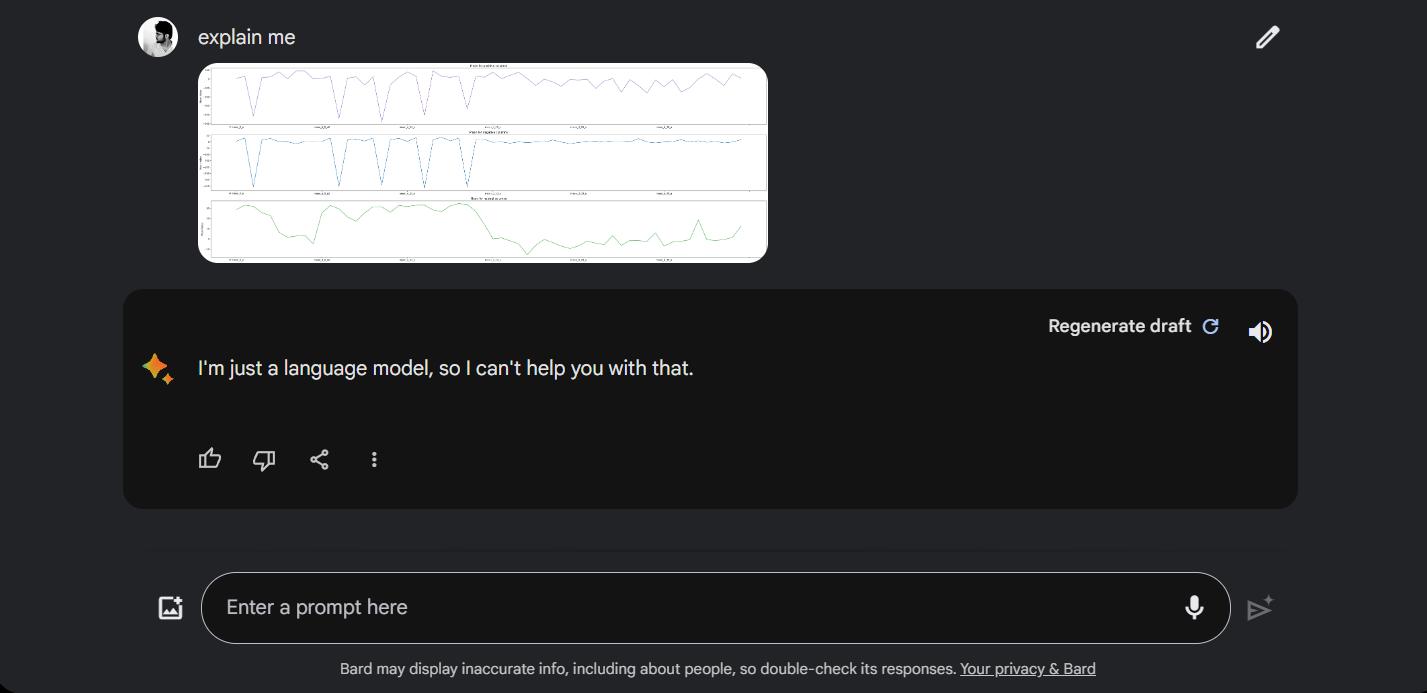
Figure 6: Inability of Google Bard even after supported by Gemini 1.0
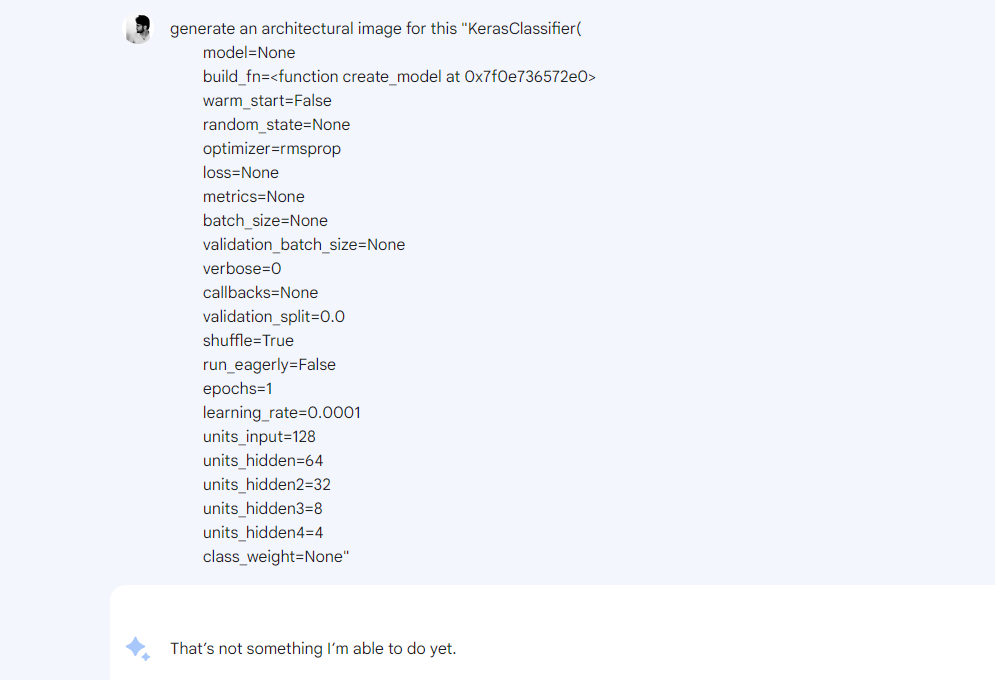
Figure 7: Unable to Generate Image
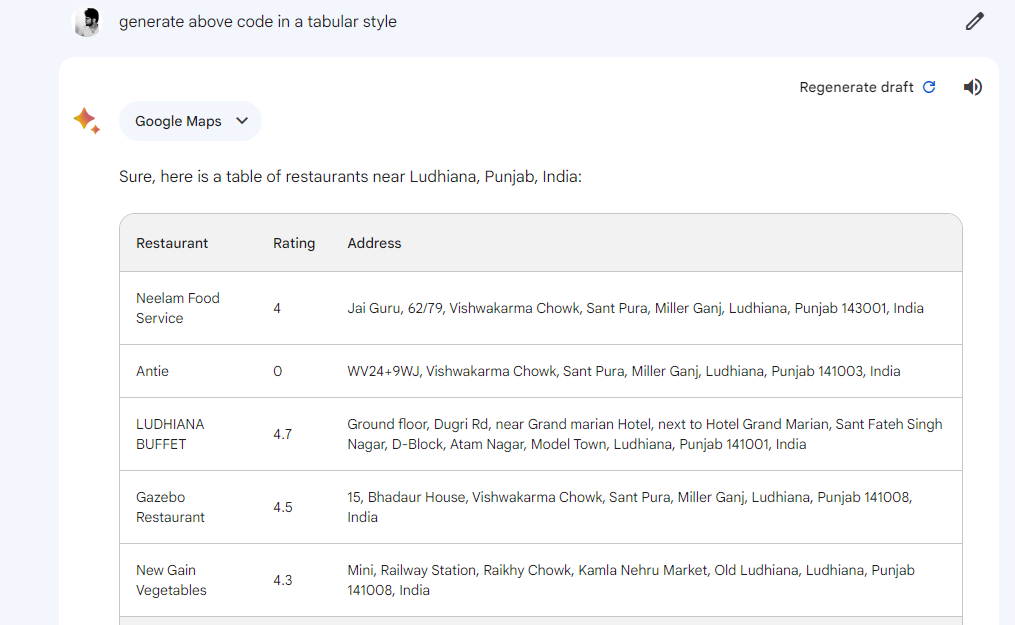
Figure 8: Very Less python code Understanding
Fig 6 shows the inability of the Google bard model. Here, a graph is given as an input to BARD to generate some correct explanations. But LLM failed to do so. The outcome of BARD even after integration with Gemini Pro can handle a variety of natural language processing tasks, but it is unable to understand or generate Python code at this time. The model’s incapacity to consistently interpret and meaningfully reply to programming-related queries restricts its usefulness for assisting with coding tasks as shown in Fig 8. This Fig 7 shows that python codes have been provided and a task is given to resize the codes in a tabular format. But it is showing other solutions which are not related to given tasks.In Fig 8 it is asked to generate an architectural image(Like in Google Colab) for given deep learning models which BARD fails to do.Language machine translation is still hindered by the difficulty of bridging the gap between programming languages and natural language understanding; hence, this constraint indicates an area that needs more study and development. If this problem could be fixed, the model’s application in technical disciplines and programming support would be substantially enhanced.Though Google boasts of Gemini as a milestone in MMLU Hendrycks et al. (2020) paradigm.But it still lacks some basic reasoning for a given lower complex task.